
What Woodworm Treatment Really Costs in Waterford and Kilkenny
One of the first questions we get asked after a homeowner spots woodworm damage is simple: how much is this actually going to cost to put right? It's a fair question, and the honest answer is that it depends on a few specific factors rather than a single flat fee for every property.
In this guide, we'll explain what actually drives the cost of woodworm treatment in Waterford and Kilkenny, from the size of the affected area to the type of timber involved, so you know roughly what to expect before you book a survey. Have you noticed small exit holes or fine dust around timber in your attic or floorboards recently?
1. Why There's No Single Price for Woodworm Treatment
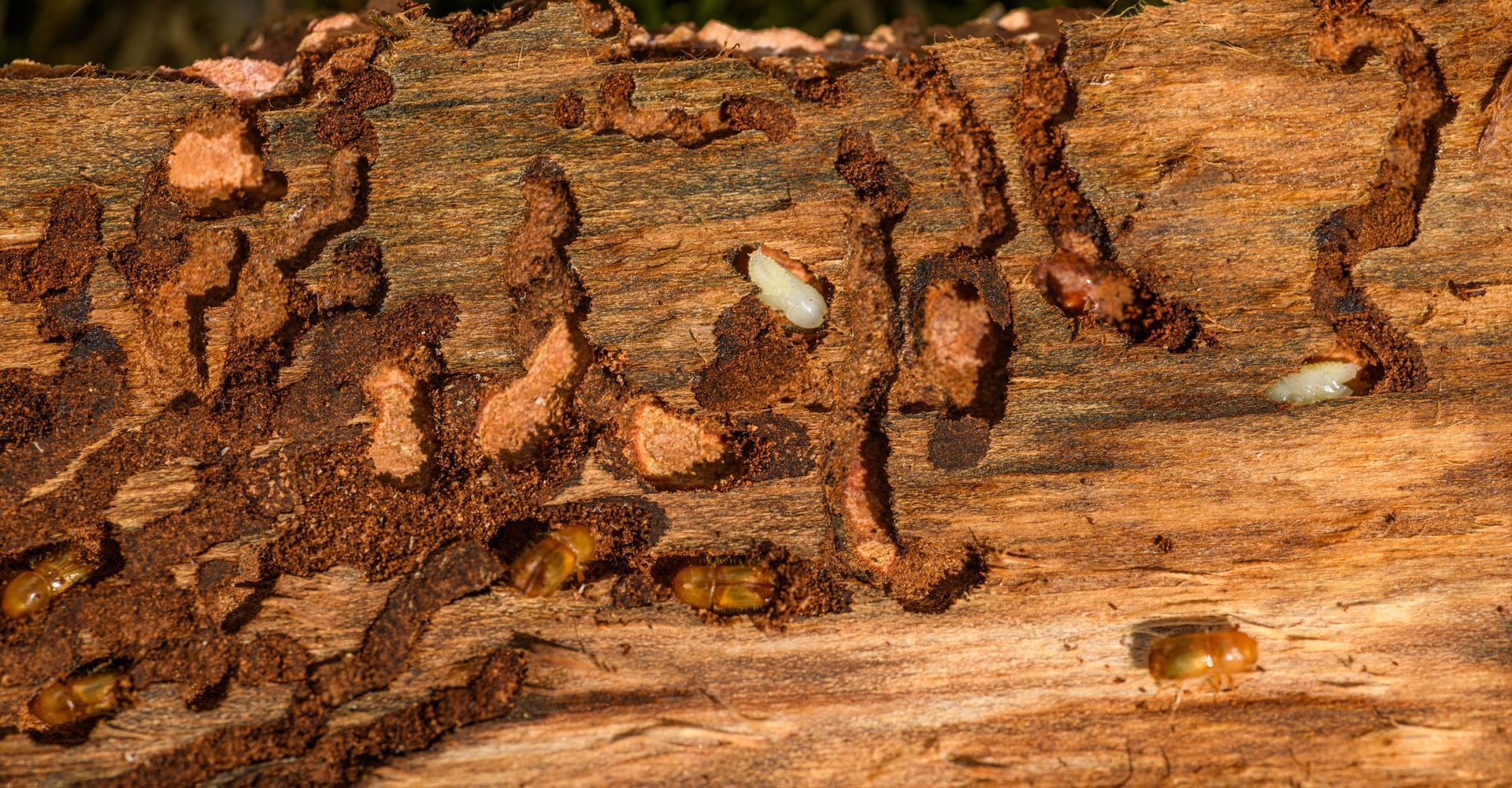
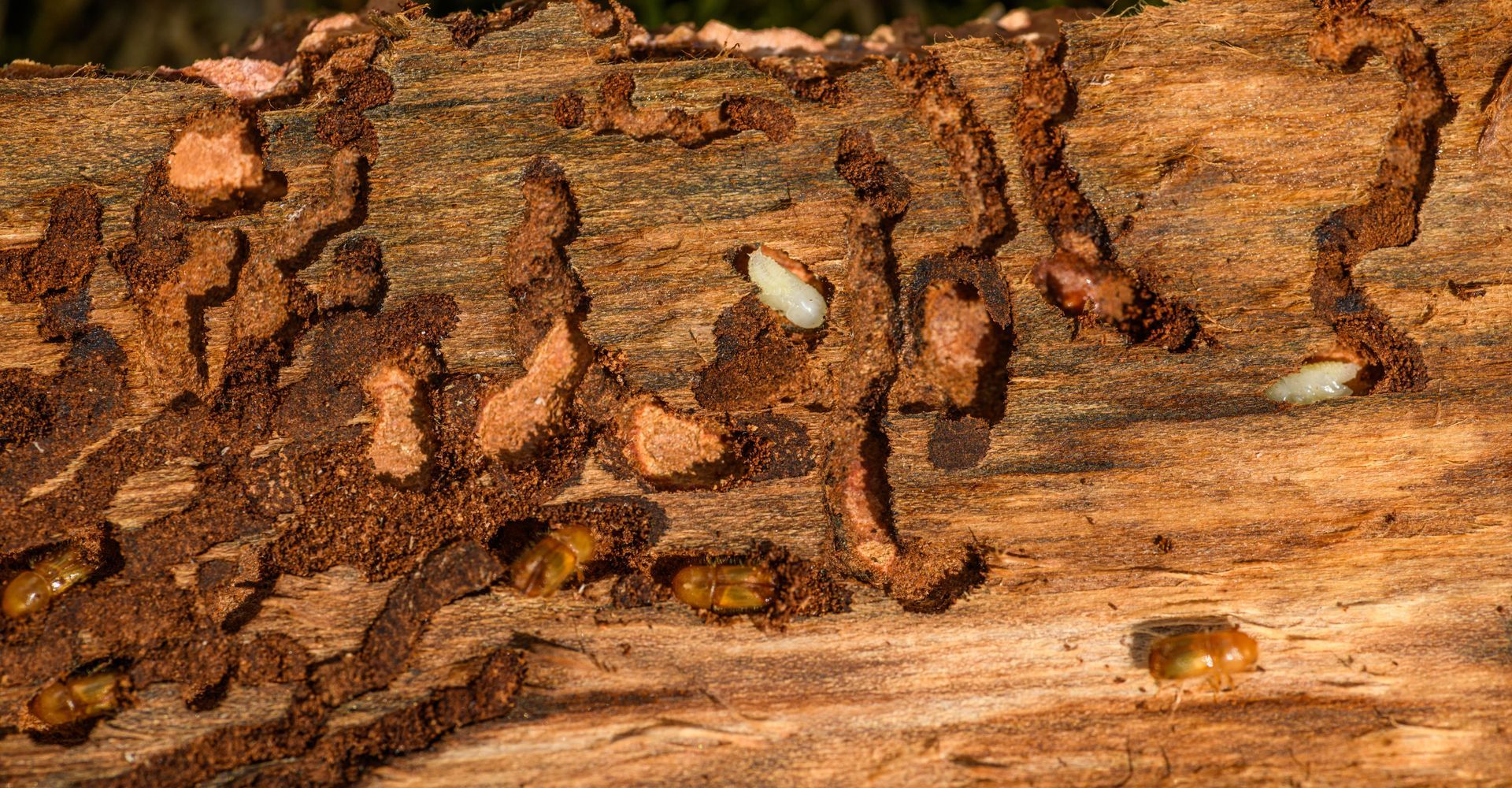
Every property is different, and the cost of treating woodworm reflects that. A small attic with a handful of affected rafters costs far less to treat than a full roof structure with widespread activity across floor joists, purlins and rafters. The type of timber matters too, since some softwoods are more vulnerable to certain wood-boring beetles than others, which can affect how thoroughly a treatment needs to be applied.
Access is another factor that's easy to overlook. A straightforward attic with good access and standard-height rafters is quicker to treat than a cramped roof space or an area with limited headroom, and that difference in labour time is reflected in the final price.
The age and construction of the property plays a part too. Older homes in Waterford and Kilkenny often have a mix of original timber and later additions, and treating a roof with several different timber ages and types can take more care than a single, uniform structure. None of this means a bigger job is automatically far more expensive, but it does explain why two seemingly similar houses can end up with noticeably different quotes.
2. What a Survey Actually Tells You
Before any price can be given accurately, a proper survey needs to establish exactly what's happening in your timber. During an inspection, we look for:
- Active exit holes versus old, inactive ones from a past infestation
- Fine, powdery frass (wood dust) that indicates current activity
- The extent of damage across rafters, joists and floorboards
- Whether the issue is confined to one area or spread more widely
This is also where many homeowners are relieved to learn their situation is less serious than they feared, since old exit holes from a long-dormant infestation don't necessarily need the same treatment as active, ongoing damage. Knowing the difference between old and active damage before any work starts also helps keep the cost proportionate to the actual problem, rather than treating areas that don't need it.
Why Guessing From Photos Rarely Works
It's tempting to send a few photos and ask for a rough price over the phone, but woodworm damage can look more or less severe than it actually is depending on lighting and angle. A proper in-person woodworm treatment survey gives a far more accurate picture, and therefore a far more accurate price, than guesswork from images alone.
This matters particularly for anyone buying a home. If a pre-purchase survey flags possible woodworm in the attic, it's worth arranging a proper specialist inspection before agreeing a price with the seller, rather than relying on a general surveyor's visual assessment alone. The difference between a confirmed active infestation and old, treated damage can significantly change what's reasonable to negotiate.
3. What's Usually Included in the Price
Our treatment pricing typically covers the inspection, the treatment application itself, and the guarantee that backs the work. We use one of the more advanced treatment systems available, and every job carries a 25 year guarantee, which is worth factoring into any comparison between quotes. A cheaper quote without a comparable guarantee isn't necessarily better value once you account for what happens if the problem returns.
You can read more about how we assess and treat timber on our about woodworm page, which covers the woodworm life cycle and why early treatment matters.
4. Questions Worth Asking Before You Book
When comparing woodworm treatment options, it helps to ask:
- Does the price include a full survey, or just the treatment itself?
- What length of guarantee is included, and what does it actually cover?
- Is the quote based on an in-person inspection or estimated from photos?
- Will the treatment address the whole affected area, or just the worst-hit section?
Getting clear answers to these questions upfront means you're comparing like for like, rather than being caught out by a cheap quote that turns out to exclude parts of the job you assumed were included. It's also reasonable to ask how the guarantee is honoured in practice, since a long guarantee period only matters if the company backing it is still around and responsive if an issue ever reappears.
Woodworm damage rarely gets better on its own, and the cost of treating it properly now is almost always lower than the cost of repairing structural timber that's been left untreated for years. A proper survey gives you clarity on exactly what you're dealing with and what it will take to fix it, and it means any decisions you make about your home are based on an accurate picture rather than guesswork.
Noticed signs of woodworm in your attic or floorboards? Get in touch through our contact page to arrange a survey, or call us directly on 051552323 or email info@timberguard.ie for expert advice.
If you suspect a woodworm issue in your home, contact TimberGuard today.
Our team is ready to provide you with expert advice and reliable woodworm treatment services to safeguard your property and its wooden components. Don't let woodworms compromise your home's structural integrity; choose TimberGuard for natural, water-based woodworm treatment in Ireland.